
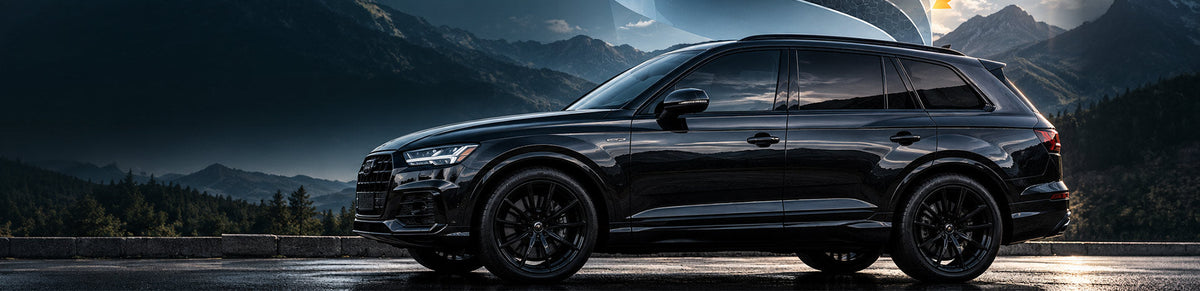
Most automotive window tint lasts approximately 5 to 10 years, but some premium window films can remain in good condition for longer. The actual lifespan depends on the film's construction, quality, exposure to sunlight, installation, and maintenance.
Basic dyed films may show fading or discoloration sooner, while high-quality carbon and ceramic window tints generally offer improved color stability and long-term performance. Certain products also include limited lifetime manufacturer warranties, although warranty coverage does not guarantee that the film will last indefinitely.
Metro Restyling offers automotive window tint from Avery Dennison, Solar Gard, CheetahTint, and HEXIS. These brands provide different technologies, shade options, and performance characteristics for professional installers and experienced DIY customers.


How Long Do Different Types of Window Tint Last?
Window tint technology has a major influence on durability. While material quality varies by manufacturer, understanding the differences between dyed, carbon, and ceramic film can help you choose a product that meets your performance expectations.
| Window Tint Type | General Lifespan | Key Characteristics |
| Dyed Window Tint | Often 3–5 years for basic films; premium films may last longer | Affordable, reduces glare, may be more susceptible to fading |
| Carbon Window Tint | Approximately 5–10+ years | Improved color stability, nonmetallic construction, heat rejection |
| Ceramic Window Tint | Approximately 10+ years for quality films | Strong heat rejection, improved color stability, UV protection |
| Nano-Ceramic Window Tint | Potentially 10+ years with proper installation and care | Advanced ceramic technology, infrared heat rejection, optical clarity |

These are general estimates rather than guaranteed service lives. A well-manufactured dyed film can outperform a lower-quality ceramic product. Always compare manufacturer specifications and warranty terms for the exact film being purchased.
How Long Does Avery Dennison Window Tint Last?
Avery Dennison manufactures automotive window films designed for long-term color stability, UV protection, and reliable performance. Several of its automotive film series feature a limited, non-transferable lifetime warranty, subject to the manufacturer's coverage requirements.
The Avery Dennison NR Series Window Tint uses a UV-stable dyed, metal-free construction with a warm graphite appearance. The film features a two-ply construction, 1.5 mil thickness, and scratch-resistant surface designed for professional installation.

For drivers seeking additional solar performance, Avery Dennison Encore Window Tint offers a neutral black appearance, UV protection, and heat rejection through its specialized film construction.
Both products are designed to resist premature discoloration, but actual service life depends on exposure and installation conditions. Review the manufacturer's specific warranty documentation before purchasing.
How Long Does Solar Gard Window Tint Last?
Solar Gard produces automotive window films designed for long-term clarity, color stability, and comfortable driving conditions. Depending on the product and installation requirements, certain Solar Gard films are supported by limited lifetime warranty coverage.
The Solar Gard Smoke Window Tint features excellent optical clarity, color stability, glare reduction, and more than 98% UV protection according to its product information.

Solar Gard Smoke is also designed for efficient heat shrinking and drying during professional installation. Its limited lifetime warranty includes fading coverage, subject to the applicable manufacturer's terms.
Properly installed and maintained Solar Gard window film may provide many years of service. However, warranty eligibility and longevity should be confirmed for the specific product rather than assumed across every Solar Gard series.
How Long Does Cheetah Tint Last?
Cheetah Tint offers several automotive window film technologies, including carbon and ceramic options. These films are designed to provide heat rejection, glare reduction, UV protection, and improved driving comfort.
Cheetah Tint Carbon Pro Series
The Cheetah Tint Carbon Pro Series provides a nonmetallic automotive window tint option designed for UV protection, glare reduction, and heat rejection.
Its carbon-based construction makes it an option for customers looking for a balance of performance and cost. With proper installation and maintenance, quality carbon films can remain functional for many years.
Cheetah Tint Ceramic IR Pro Series
The Cheetah Tint Ceramic IR Pro Series uses advanced ceramic technology to provide improved infrared heat rejection and UV protection.
This series is backed by a limited lifetime color-stable warranty, making it a suitable option for customers prioritizing long-term appearance and solar performance.

A limited lifetime warranty should not be interpreted as a guaranteed 10- or 20-year lifespan. Environmental exposure, installation quality, and manufacturer warranty exclusions still apply.
How Long Does HEXIS Window Tint Last?
HEXIS offers professional automotive window films with different solar control technologies and performance characteristics.
The HEXIS SKYSTAR Solar Window Tint Film features a scratch-resistant coating and is designed to reduce UV exposure, heat accumulation, and glare while maintaining optical clarity.
For customers looking for nano-ceramic performance, HEXIS Majestik Solar Window Tint Film uses ceramic particles to manage solar energy and reduce infrared heat transmission. HEXIS Majestik is advertised with a durability rating of 15 years.

This advertised durability should be treated as a product-specific performance claim rather than a guarantee for every installation. SKYSTAR and Majestik have different constructions and should be evaluated individually.
What Factors Affect Car Window Tint Durability?
Even high-quality window tint can deteriorate prematurely when exposed to unfavorable conditions. Several factors determine how long the film maintains its appearance, adhesion, and performance.
1. Sunlight and UV Exposure
Vehicles parked outdoors for extended periods experience greater exposure to sunlight and solar heat. Over time, these conditions can contribute to film discoloration and adhesive deterioration.
UV-stable materials and high-quality ceramic or carbon constructions can help improve long-term durability, but no automotive window film is completely immune to aging.
2. Climate and Temperature Changes
Extremely hot climates place additional stress on automotive window films, especially when vehicles are regularly exposed to direct sunlight. Repeated temperature fluctuations may also affect the film's adhesive and construction.
Vehicles stored in garages or shaded parking areas often experience less environmental exposure than vehicles parked outdoors throughout the year.
3. Installation Quality
Proper installation plays a major role in window tint longevity. Inadequate glass preparation, trapped contamination, improper heat shrinking, or poor edge finishing can cause premature bubbling, peeling, or adhesive failure.
Professional installers use controlled preparation and application techniques to produce a cleaner result and reduce common installation problems.
4. Cleaning and Maintenance
Abrasive cleaning materials, scraping, and incompatible chemicals can damage window tint surfaces. Repeated contact with rough materials can create visible scratches and reduce clarity.
Following the film manufacturer's cleaning instructions helps protect the coating and maintain the film's appearance.
5. Window Usage
Frequently operated side windows experience repeated contact with rubber seals and window channels. Dirt or debris trapped in these areas can scratch the film as the glass moves.
Keeping window seals clean can help reduce unnecessary wear, particularly on older vehicles.

How Can You Tell When Window Tint Needs Replacing?
Window tint does not need to reach a specific age before replacement becomes necessary. Its condition is usually a better indicator than the number of years since installation.
- Purple or uneven coloring: Discoloration may indicate deterioration of the film's dyes or other components.
- Bubbling: Bubbles appearing beneath previously smooth tint can indicate adhesive failure or separation between film layers.
- Peeling edges: Film lifting around glass edges suggests that adhesion is weakening.
- Cloudiness or haze: Persistent distortion can affect visibility and may indicate deterioration.
- Scratches or visible damage: Repeated abrasion can reduce clarity and affect the overall appearance.
Early installation moisture should not automatically be confused with permanent bubbling. Newly applied tint may require time to dry and cure, depending on the film and environmental conditions.
For additional examples, see our guide on how to tell when window tint needs to be replaced.
Does Window Tint Fade Over Time?
Yes. Automotive window tint can fade or change color over time, especially when manufactured with less stable dyes or exposed to excessive sunlight and heat.
Some older or lower-quality dyed films can develop a noticeable purple appearance as their color components deteriorate. Higher-quality films use more stable materials to help maintain their original appearance.
Carbon and ceramic window tints generally offer improved color stability, although their performance varies between manufacturers and product series.
Our guide on why window tint fades over time explains the causes of discoloration and how different materials resist fading.
How Can You Make Window Tint Last Longer?
Proper maintenance can help preserve the film's appearance and reduce premature damage. A few practical habits can make a difference over the years.
- Allow the film to cure: Follow the installer's or manufacturer's recommended curing period before rolling down windows or cleaning the film.
- Use tint-safe cleaning products: Choose cleaners recommended for automotive window film and avoid harsh chemicals.
- Clean with soft materials: Use a clean microfiber towel rather than abrasive pads, stiff brushes, or scraping tools.
- Reduce excessive sun exposure: Park in a garage or shaded area when practical.
- Keep window channels clean: Remove dirt and debris that could scratch film on moving windows.
- Inspect for early damage: Watch for lifting edges, persistent bubbles, and scratches before they become larger problems.

For installation work, Metro Restyling carries application tools and supplies, including products for surface preparation, trimming, squeegeeing, and controlled heating. Customers can also compare the Window Tint Tool Bundle, which offers multiple tool configurations for different installation needs.
Is Ceramic Window Tint Worth It for Long-Term Durability?
Ceramic window tint can be a worthwhile investment when long-term color stability and solar heat rejection are priorities.
Unlike basic dyed film, ceramic tint uses nonmetallic ceramic particles to manage solar energy. High-quality ceramic products can provide substantial heat rejection without requiring an extremely dark shade.
However, ceramic film is not automatically the best choice for every customer. Carbon films can offer a useful balance of appearance, durability, and cost. Premium dyed films may also provide reliable long-term service when installed and maintained properly.
Compare total solar energy rejection, infrared rejection, visible light transmission, warranty coverage, and cost instead of choosing a product based on its technology alone.
How Much Does Long-Lasting Window Tint Cost?
Window tint pricing depends on the brand, film technology, roll dimensions, and shade. Ceramic window films generally cost more than basic dyed options because of their construction and solar control capabilities.
At Metro Restyling, customers can compare professional rolls of window tint from brands including Avery Dennison, Solar Gard, Cheetah Tint, and HEXIS. Available widths, lengths, and prices vary by product and selected configuration.

For a complete breakdown of material and professional installation expenses, see our window tinting cost guide.
Professional shops should also consider installation efficiency, material waste, warranty requirements, and long-term customer satisfaction when selecting a film.
What Should You Know Before Installing Window Tint?
Automotive window tint is generally installed on the interior surface of vehicle glass using a wet application process. Installation requires proper glass cleaning, film positioning, heat shrinking where necessary, careful trimming, and moisture removal.
Film is commonly sold in rolls of different widths and lengths, rather than as precut vehicle-specific kits. Installers should measure the glass and account for trimming and installation waste before ordering.
Professional installation is recommended for beginners unfamiliar with automotive tint application, particularly when working with curved rear windows or large glass surfaces.
Customers should also understand visible light transmission (VLT). A lower VLT percentage allows less visible light through the film, producing a darker appearance. A 5% film is significantly darker than a 50% film.
Tint darkness restrictions vary by state, window position, and vehicle type. Review our window tint laws by state guide and confirm current local requirements before ordering. Do not assume every available shade is legal for every window.
Frequently Asked Questions About Window Tint Lifespan
Q: How long does factory window tint last?
A: Factory-tinted glass typically uses pigment incorporated into the glass rather than a separate adhesive film. This coloration can remain for the service life of the glass and does not peel like aftermarket tint. However, factory privacy glass may not offer the same solar control features as specialized aftermarket window film.
Q: Can window tint last 20 years?
A: Some high-quality automotive window films may remain in good condition for 20 years under favorable conditions, but this should not be treated as a typical or guaranteed lifespan. Film construction, installation quality, sunlight exposure, and maintenance all influence longevity.
Q: Does ceramic window tint last longer than regular tint?
A: Quality ceramic window tint generally offers improved resistance to fading and discoloration compared with basic dyed films. However, durability depends on the exact product and its construction. Compare manufacturer documentation and warranty coverage before making a selection.
Q: Does window tint lose its heat rejection over time?
A: Window tint performance may deteriorate as its layers, coatings, or adhesive age. Visible fading does not always indicate a proportional loss of heat rejection, and a dark appearance does not guarantee that the film is performing as originally specified. Damaged or deteriorating film should be evaluated for replacement.
Q: Does a lifetime warranty mean window tint lasts forever?
A: No. A limited lifetime warranty is a manufacturer's coverage agreement, not a guarantee that film will never deteriorate. Coverage may depend on the original purchaser, product series, professional installation, warranty registration, and specified defects. Always review the exact warranty terms.
Shop Automotive Window Tint at Metro Restyling
Long-lasting window tint starts with choosing the right material for your vehicle, climate, and performance expectations. Metro Restyling carries automotive window films from Avery Dennison, Solar Gard, Cheetah Tint, and HEXIS, with options for customers prioritizing color stability, privacy, heat rejection, or UV protection.
Explore our car window tint film collection to compare available technologies, shades, roll sizes, specifications, and manufacturer warranties before selecting material for your next installation.
References:
Manufacturer References: Avery Dennison | HEXIS | CheetahTint | Solar Gard