
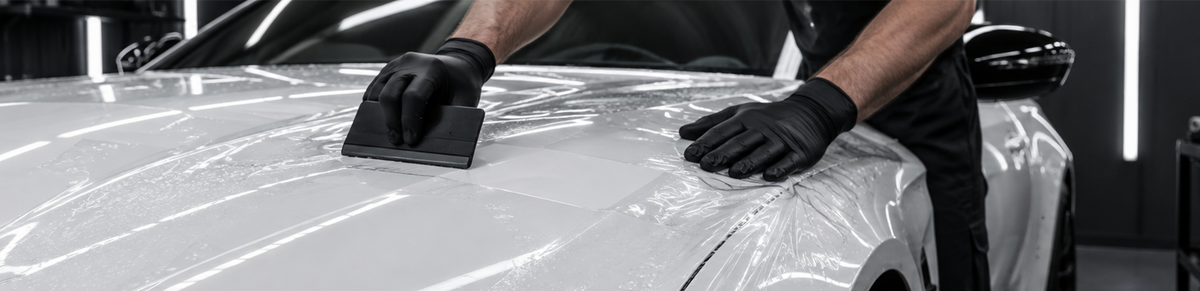
Modern paint protection film is far less prone to yellowing than the films drivers may remember from years ago. High-quality PPF is generally made from thermoplastic polyurethane (TPU), a flexible material designed to maintain its appearance while protecting the surface underneath from everyday road exposure.
That does not mean every PPF will stay perfectly clear or maintain its original appearance indefinitely. Film quality, material construction, UV exposure, installation, vehicle storage, cleaning, and environmental contamination can all affect how a film ages.

Older or inexpensive films, particularly lower-grade PVC-based materials, are more likely to discolor as they age. When shopping for PPF today, the material itself is one of the first specifications worth checking.
Why Can PPF Turn Yellow?
Yellowing is usually the result of the film or its components changing after extended environmental exposure. Several factors can contribute.
- UV exposure: Continuous sunlight can break down weaker chemical bonds in lower-grade film and adhesive systems over time.
- Film quality: Lower-quality materials generally have less resistance to discoloration than modern TPU-based PPF.
- Heat: Vehicles that regularly sit outdoors in hot climates may experience more demanding conditions than garage-kept vehicles.
- Contamination: Road grime, bug residue, tree sap, chemicals, and other contaminants can stain or discolor the surface when left in place.
- Maintenance: Proper washing and timely removal of contaminants can help maintain the appearance of the film.
Yellowing should also be distinguished from surface staining. A film can sometimes look discolored because contaminants have built up on its topcoat even when the underlying material itself has not significantly changed color.
Modern TPU PPF vs. Older Film Technology
One of the biggest improvements in modern PPF is the widespread use of thermoplastic polyurethane. TPU provides the flexibility and impact resistance expected from current paint protection films while allowing manufacturers to develop more advanced surface coatings and UV-resistant formulations.
| Feature | Modern TPU PPF | Older or Lower-Grade Film |
| Material | Typically thermoplastic polyurethane | May use older or lower-grade film constructions, including PVC-based materials |
| Yellowing Resistance | Designed to resist discoloration | Greater potential for visible yellowing over time |
| UV Protection | Modern formulations may include UV-resistant layers or coatings | UV resistance can be more limited |
| Flexibility | Designed to conform to automotive surfaces | Performance varies substantially by material |
| Long-Term Appearance | Designed for improved clarity and appearance retention | More dependent on material quality and environmental exposure |
The specific construction still varies between manufacturers and product lines, so TPU alone should not be treated as a guarantee against discoloration. Review the specifications and warranty information for the exact film you are considering.

How Does UV Exposure Affect PPF?
Sunlight is one of the biggest environmental factors affecting any material installed on the exterior of a vehicle. Extended UV exposure can gradually degrade plastics, coatings, adhesives, paint, and other materials.
Modern PPF manufacturers address this by using UV-resistant materials and topcoats designed to slow degradation. This is one reason current TPU films perform differently from many older protection films.
However, UV protection and UV resistance are not the same as being UV-proof. A vehicle parked outdoors every day in strong sunlight experiences different conditions than a vehicle that spends most of its time indoors. Climate, mileage, storage, maintenance, and the specific film all influence long-term appearance.
Can Clear PPF Yellow?
Clear PPF is where yellowing is usually easiest to notice because the film is designed to allow the original paint color to show through. A slight change in the film's color may be more noticeable on white, silver, and other light-colored vehicles.
Modern clear TPU films are specifically designed to reduce this problem, but customers should still compare material construction, manufacturer specifications, and warranty coverage when selecting a film.

Can Color PPF Yellow?
Color PPF uses similar protective-film technology while adding pigment and finish options that can completely change the appearance of a vehicle. Rather than watching primarily for clarity changes, owners may notice aging as changes in color, gloss, satin appearance, matte appearance, staining, or surface condition.
The same rule applies: the quality and construction of the film matter.
Metro Restyling carries color PPF in a range of finishes and brands, giving installers and vehicle owners the ability to compare products instead of treating every PPF as interchangeable.
RGBG Color PPF and Yellowing Resistance
RGBG uses modern TPU film construction and is available in gloss, satin, matte, and other appearance options. It is designed as a modern color PPF rather than an older PVC-style protective film.


For customers concerned about yellowing, the important distinction is the material technology being used. Choosing a modern TPU film gives you a product specifically engineered for the demands of automotive paint protection, including prolonged environmental and UV exposure.
How to Reduce the Risk of PPF Discoloration
Choosing a modern film is the first step, but how the vehicle is treated after installation matters too.
- Choose automotive PPF from an established manufacturer or supplier.
- Look for TPU construction when comparing modern PPF options.
- Review the film's specifications and warranty before purchasing.
- Remove bug splatter, bird droppings, tree sap, and road contamination promptly.
- Use cleaning products appropriate for PPF.
- Avoid unnecessarily harsh chemicals or abrasive cleaning methods.
- Follow the manufacturer's care recommendations for the specific film.
- Use proper installation techniques to prevent edges and other vulnerable areas from becoming contamination points.
Vehicle storage also plays a role. A daily driver parked outdoors year-round experiences substantially more sunlight and environmental exposure than a garage-kept vehicle.

Should You Be Worried About PPF Yellowing?
Yellowing is still worth considering when choosing PPF, but it should not be viewed as an unavoidable characteristic of modern paint protection film.
The reputation largely comes from older film technology and lower-quality materials that did not handle UV exposure and aging as well as today's TPU products. Modern PPF is specifically designed to provide significantly better resistance to discoloration.
That said, no exterior automotive film should be assumed to remain unchanged forever. Look at the exact product specifications, expected service life, warranty, installation requirements, and maintenance recommendations instead of choosing based on the term “PPF” alone.
Choosing the Right PPF
There is no single PPF that makes sense for every vehicle or installation. Clear films are useful when the goal is to preserve the existing paint appearance, while color PPF can combine surface protection with a different color or finish.
Professional installers should also compare film thickness, installation method, conformability, available roll sizes, finish, adhesive system, warranty terms, and manufacturer recommendations before committing to material for a customer vehicle.


If appearance is a major factor, ordering a sample before purchasing a complete roll or full-vehicle quantity can also help. Screens do not always reproduce colors, gloss levels, metallic effects, satin finishes, or matte finishes accurately.

PPF Yellowing FAQs
Q: Does all PPF eventually turn yellow?
A: No. Yellowing is not considered an unavoidable characteristic of modern PPF. Current TPU films are designed with much better resistance to discoloration than many older or lower-grade films. Actual aging still depends on the specific material, environment, installation, and maintenance.
Q: Does sunlight make PPF yellow?
A: Long-term UV exposure can contribute to material degradation, particularly with lower-quality films. Modern PPF uses materials and coatings designed to provide better UV resistance, although outdoor exposure can still affect any automotive film over time.
Q: Is TPU PPF better for preventing yellowing?
A: Modern TPU is generally the preferred material for automotive PPF because of its flexibility, durability, and resistance to environmental exposure. The exact formulation and topcoat still matter, so compare individual products rather than relying only on the TPU label.
Q: Can PPF discolor without actually turning yellow?
A: Yes. Road contamination, bug residue, chemicals, tree sap, dirt, and other substances can stain the film's surface. Proper cleaning and maintenance help reduce the chance of staining being mistaken for material yellowing.
Q: Should I replace PPF if it starts yellowing?
A: Visible discoloration can be a sign that the film is aging or has been stained. Cleaning may correct surface contamination, but material degradation generally requires removal and replacement. Follow the manufacturer's recommendations and have the film inspected if you are unsure.


Compare Modern Paint Protection Film
Modern PPF has come a long way from the films responsible for much of the category's old reputation for yellowing. TPU construction, improved coatings, and better resistance to UV exposure make today's products a much stronger option for long-term vehicle protection.

Browse Metro Restyling's paint protection film selection to compare clear and colored PPF from RGBG, 3M, Avery Dennison, and other available brands. Review the specifications for each film to choose the material, finish, and installation system that best matches your project.