
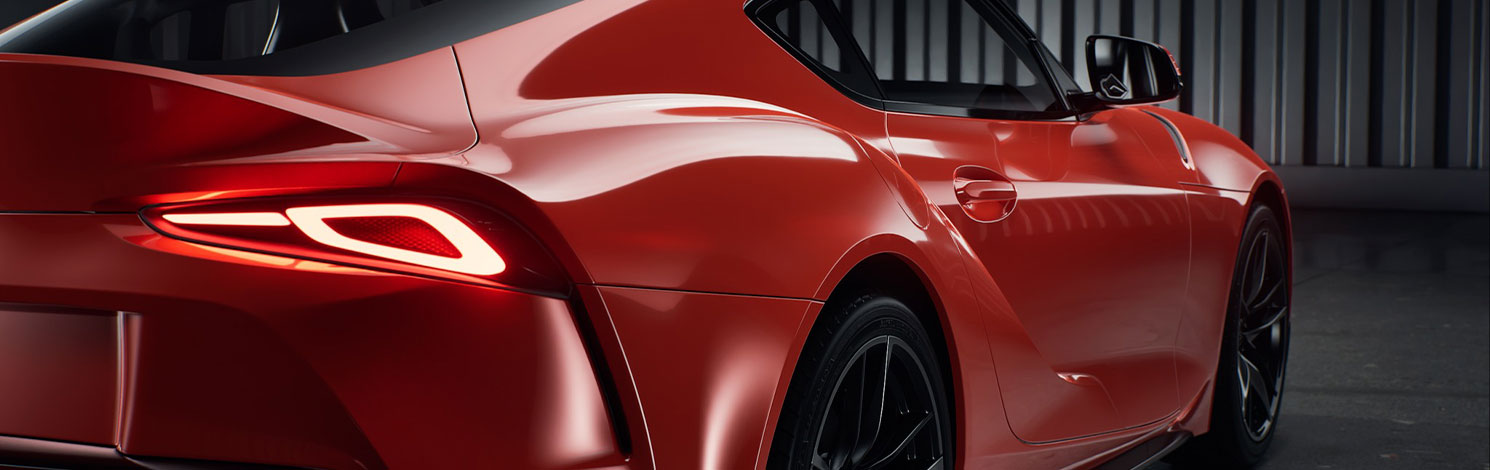
If you’ve ever stood in front of a wall of samples at a wrap shop or scrolled through endless color swatches online, you already know how many ways you can transform a vehicle today. From deep gloss blacks and frozen metallics to color-shifting finishes and forged carbon looks, modern surface films make paint feel almost optional. The real question isn’t whether you should change your vehicle’s appearance — it’s how you should do it.

That’s where the debate around Colored PPF Vs Vinyl Wrap comes in. Both materials offer customization, both can dramatically change the look of your car, and both have their place depending on budget, expectations, and how you use your vehicle. But under the surface, these films behave very differently.
At Metro Restyling, customers explore everything from Car Wraps to advanced Colored PPF solutions. Understanding the differences between these materials helps buyers make smarter long-term decisions instead of choosing purely based on appearance.
Let’s break down how Color Paint Protection and Vinyl Wrap compare in material composition, installation methods, durability, color consistency, maintenance, and real-world use.
Vinyl vs. Color PPF: Material Differences
The foundation of the debate starts with chemistry.
Vinyl Wrap is made from polyvinyl chloride (PVC). PVC is thin, flexible, lightweight, and engineered primarily for customization. It stretches easily, conforms well to contours, and allows manufacturers to create thousands of finishes, textures, and printed designs.

Colored PPF, often referred to as Color Paint Protection, is typically made from TPU (thermoplastic polyurethane). TPU is thicker, more elastic, and built with impact resistance in mind. Traditional clear paint protection film was designed to absorb road damage. Color was added later to deliver both protection and aesthetics in one product.

In simple terms:
- Vinyl is optimized for appearance and flexibility.
- Colored PPF is optimized for protection and longevity.
That difference affects everything else — installation behavior, lifespan, cost, and how the material ages over time.
Installation Methods: Dry vs. Wet (and Hybrid Options)
Most Vinyl Wrap installs are done dry. The film uses micro-channel adhesive technology that allows air to escape during application. Once the film touches the surface, it begins to grip immediately. That makes vinyl fast to install for experienced installers, but it also means repositioning can be limited if mistakes happen early.


Colored PPF has traditionally been installed wet. A slip solution allows the film to float on the surface before being squeegeed into place. This gives installers more adjustment time but requires additional technique and cleanup. Recently, hybrid dry-install TPU films have entered the market, bridging the gap between vinyl familiarity and PPF durability.


For beginners and DIY users, preferences vary. Some people find vinyl easier because it’s thinner and more forgiving with heat. Others prefer Color Paint Protection because wet installs allow repositioning before locking down the adhesive.
Both materials are DIY-capable, but neither should be underestimated — surface prep, temperature control, and proper tools matter regardless of film choice.
Thickness & Cost Comparison
Thickness plays a major role in protection and price.
- Vinyl Wrap: Typically thin, lightweight, and designed for cosmetic transformation.
- Colored PPF: Usually around 8 mil thick or more, offering substantially more impact resistance.

That thickness comes at a cost. Color Paint Protection often costs significantly more than Vinyl Wrap, sometimes exceeding double the material price depending on brand and finish. The higher cost reflects more complex manufacturing processes and the protective properties built into the TPU structure.
If budget sensitivity is a major factor, Vinyl Wrap remains the most accessible way to change a vehicle’s appearance.
Color Consistency Over Time
One area that doesn’t get enough attention in the Colored PPF Vs Vinyl Wrap conversation is long-term color consistency.
Vinyl tends to maintain color stability well across production batches. If a panel needs replacement years later, matching the original shade is often achievable without major variation — especially from established manufacturers.
Color Paint Protection is newer to the market, and while quality continues to improve rapidly, color matching between different production batches can still vary. Lighter colors and high-saturation tones like reds and yellows may show subtle shifts if panels are replaced later unless the material comes from the same batch.
Neutral shades like black, gray, and white typically remain more consistent in both materials.


Finish Options & Gloss Clarity
Both Vinyl Wrap and Colored PPF offer:
Where Color Paint Protection often stands out is gloss clarity. High-quality TPU films can deliver exceptionally smooth finishes with reduced orange peel, creating a surface that closely resembles high-end paint or ceramic clearcoat.

Vinyl manufacturers have improved significantly in recent years with premium high-gloss lines, narrowing the visual gap. However, in many cases, Colored PPF still delivers slightly higher optical clarity and depth.
That said, Vinyl Wrap dominates when it comes to variety. Printed graphics, camo patterns, color-shift effects, custom textures, and branded designs remain far more accessible through vinyl.
Removal & Durability
Durability is where Color Paint Protection clearly separates itself.
Colored PPF advantages:
- Superior resistance to rock chips and debris
- True self-healing properties under heat
- Thicker impact absorption
- Longer lifespan (often rated 7–10 years)
Vinyl Wrap characteristics:
- Thinner material
- More susceptible to rock chips and surface damage
- Minor self-healing through laminate coatings
- Typical lifespan around 3–5 years depending on environment and care
Removal also differs. Vinyl usually removes more easily when properly maintained, while PPF’s aggressive adhesive and thickness can make removal more labor-intensive — especially on high-adhesion surfaces.
Maintenance & Lifespan
Maintenance routines for both materials are similar: gentle washing, avoiding abrasive brushes, and using compatible cleaners. However, Color Paint Protection tolerates abuse better. Light scratches can self-heal, and the thicker film protects against daily wear more effectively.

Vinyl Wrap demands slightly more care to preserve appearance over time, especially in harsh sun exposure or extreme climates.
If the goal is long-term preservation of factory paint and resale value, Colored PPF offers meaningful advantages. If the goal is short-term customization or frequent color changes, Vinyl Wrap remains practical.
DIY Difficulty: Which Is Easier?
Both materials are accessible for DIY installers with patience and the right tools.
Vinyl Wrap:
- Faster learning curve for simple panels
- Immediate adhesion requires confident placement
- Thin material demands controlled stretching
Colored PPF:
- Wet installs allow repositioning
- Thicker material resists stretching errors
- Requires careful water management and squeegee technique
Some users find vinyl easier due to familiarity, while others appreciate the flexibility of wet installs. Skill level, workspace conditions, and personal preference ultimately determine which feels more approachable.
Hiding Imperfections
Both materials help mask minor cosmetic flaws such as light scratches or small paint chips. Neither will hide major dents or severe damage, but surface defects become less noticeable once covered.
Color Paint Protection’s thickness can conceal imperfections slightly better than vinyl, especially shallow marks.
Hands-On Performance Comparison
When placed side by side, Vinyl Wrap glides easily across panels using air-release technology, allowing smooth squeegee passes and efficient coverage. Colored PPF installs feel heavier and more controlled, with water acting as a buffer until final positioning.

Visually, many people struggle to tell the difference between high-quality vinyl and color PPF once installed — especially when comparing similar shades. The differences become more apparent over time through durability, surface clarity retention, and resistance to wear.
Choosing the Right Option for Your Vehicle
Choose Colored PPF if:
- Long-term protection is a priority
- You want maximum chip and scratch resistance
- You plan to keep the vehicle for many years
- Preserving resale value matters
- Budget allows for premium material investment
Choose Vinyl Wrap if:
- Bold customization or unique graphics matter most
- You want the widest range of colors and finishes
- You plan to change styles every few years
- Budget efficiency is important
- The vehicle is leased or used seasonally
Forums and professional installers consistently note that Color Paint Protection delivers significantly higher durability — often several times more resistant to impact damage than vinyl. Vinyl, however, continues to dominate creative flexibility and affordability.
There is no universal winner in the Colored PPF Vs Vinyl Wrap debate. The right choice depends on how the vehicle is used, how long you plan to keep it, and how much protection you want versus how much customization you desire.
Conclusion
Modern vehicle customization gives drivers more control than ever before. Whether the goal is durable protection or bold visual expression, both Colored PPF and Vinyl Wrap deliver impressive results when selected properly.
At Metro Restyling, enthusiasts and professionals alike can explore a full lineup of premium Vinyl Wrap options, and high-quality Colored PPF, as well as installation tools and accessories. Having access to multiple material categories allows customers to match the right film to their performance goals instead of compromising.
Whether you’re prioritizing protection, customization, or a balance of both, understanding the true differences between Color Paint Protection and Vinyl Wrap ensures your next project delivers exactly what you expect.
FAQ
Q: Is Colored PPF better than Vinyl Wrap?
A: Colored PPF offers superior protection, durability, and self-healing capabilities. Vinyl Wrap excels in affordability and design flexibility.
Q: How long does Colored PPF last?
A: Most Color Paint Protection films are rated for 7–10 years depending on care and environmental exposure.
Q: How long does Vinyl Wrap last?
A: Vinyl typically lasts 3–5 years under normal driving and maintenance conditions.
Q: Can both materials be removed?
A: Yes. Both Vinyl Wrap and Colored PPF are removable, although PPF generally requires more effort during removal.
Q: Does Color Paint Protection look like paint?
A: High-quality Colored PPF delivers excellent gloss clarity and reduced orange peel, closely resembling automotive paint.
Q: Which is better for resale value?
A: Colored PPF provides stronger paint preservation, helping maintain resale condition over time.