
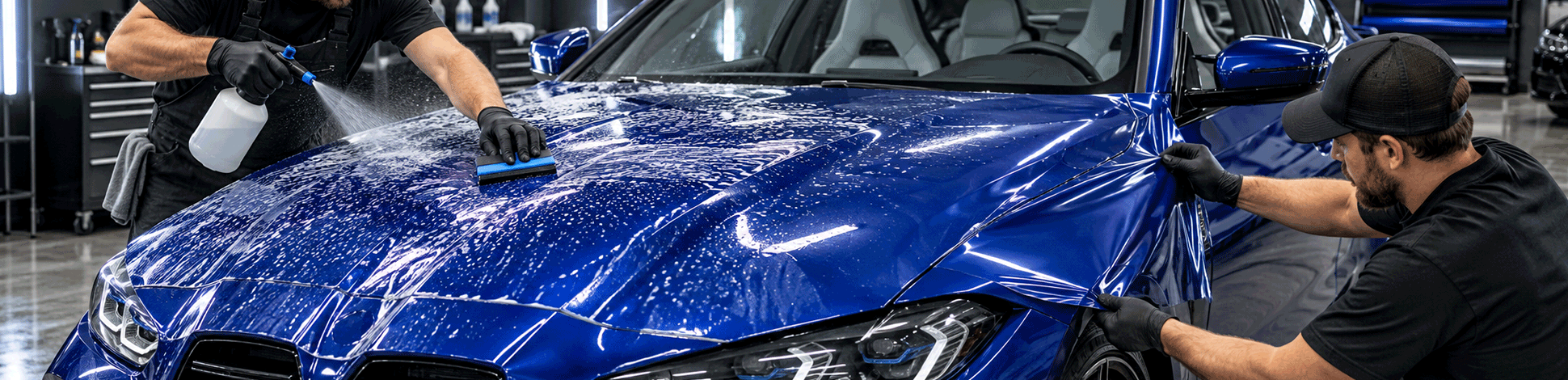
Dry installation is faster and provides a stronger initial bond, but it leaves very little room to correct a misaligned panel. Wet installation trades some installation speed and short-term adhesion for additional repositioning time. That extra control often matters more on a large color panel than it does on a small section of clear film.
Neither method is universally better. Many experienced installers use both, choosing the method based on the film, panel size, body lines, shop conditions, and familiarity with the material.
What Is the Difference Between Wet and Dry Installation?
Dry installation means applying color PPF directly to a prepared panel without a slip solution. The adhesive begins grabbing as soon as it contacts the surface.

Wet installation involves spraying an approved slip solution on the panel and, when directed by the manufacturer, the adhesive side of the film. The solution temporarily reduces the initial tack, allowing the installer to float the film into position before squeegeeing out the liquid and setting the adhesive.
On paper, this may sound like a minor technique choice. In practice, it changes how forgiving the installation will be. Color PPF makes panel alignment, body lines, edges, and transitions more visible than clear film. A positioning error that is difficult to notice on a small clear-PPF section may stand out under direct light on a colored hood, roof, or door.
| Installation factor | Dry install | Wet install |
| Initial tack | Adhesive grabs the panel quickly | Slip solution temporarily reduces initial tack |
| Repositioning | Limited after the film contacts the panel | More time to float and align the film |
| Installation speed | Generally faster on suitable panels | Requires additional time for solution removal and dry-down |
| Common applications | Small panels, trim, channels, and edge work | Hoods, roofs, doors, and other large color panels |
| Main challenge | Misalignment can be difficult to correct | Remaining moisture can delay adhesion or affect edges |
When Dry Installation Is the Better Choice
Dry installation works well when immediate adhesion and installation speed are more useful than an extended positioning window.

- Small, simple panels: Mirrors, door-handle cups, and small trim pieces may not require the added repositioning time of a wet installation.
- Edge wraps and channels: Slip solution can collect in tight recesses or take longer to dry around wrapped edges.
- Cold or humid shop conditions: These conditions may extend wet-installation dry-down time and increase the opportunity for contamination to become trapped before the film sets.
- Familiar materials: An installer who understands a film’s tack, stretch, and handling characteristics may be able to position it accurately without a slip solution.
The main limitation is the lack of repositioning time. Once the adhesive makes firm contact, correcting a panel that landed a few millimeters away from the intended body line may be difficult.

When Wet Installation Earns the Extra Time
Wet installation can provide more control when alignment and gradual positioning are the priorities.
- Large color panels: Hoods, roofs, and full doors require accurate positioning along edges and body lines.
- Unfamiliar film: Installers working with a new color PPF line may benefit from additional time to understand its tack and handling.
- Complex curves: Slip solution can help the installer walk the film into position instead of committing the entire section in one motion.
- Highly visible transitions: Additional positioning time can help align a color panel with adjacent film, trim, or a vehicle character line.
Wet installation still requires careful technique. Excess solution must be removed thoroughly, and edges, seams, channels, and recesses require close attention. The film must also be given the manufacturer-specified time to dry and develop adhesion.
Why Installers Often Use Both Methods
A complete color PPF project includes panels with different sizes, shapes, edges, and installation challenges. A method that works well on a roof may be unnecessary for a mirror or narrow trim piece.
For example, an installer might wet-install the hood to allow more time for alignment, then dry-install smaller trim sections where immediate tack is helpful. The correct approach is based on the individual panel and the film’s instructions—not a rule that every section of the vehicle must be installed the same way.

The Mistake That Causes Problems With Both Methods
The most common issue is not always the wet-versus-dry decision. Problems often begin when installers skip the manufacturer’s installation temperature, slip-solution, dry-down, edge-finishing, or cure-time guidance and default to the process they use for every other film.
Different colored paint protection films can use different adhesive systems. A slip-solution mixture or dry-down period that performs well with one product may leave another film under-bonded around edges and recesses.
RGBG is one example of a color PPF line that supports wet installation and provides film-specific guidance for installers. That guidance should be reviewed instead of assuming that a general clear-PPF process will apply to every colored film.


Surface Preparation Matters With Either Method
Wet and dry installation both require a properly prepared surface. Paint should be clean, smooth, dry, and free from wax, grease, sealants, polishing residue, and other contamination that could interfere with adhesion.
Inspect the vehicle for:
- Failing clear coat or peeling paint.
- Rust, corrosion, or unrepaired body damage.
- Fresh paint that has not completed the paint manufacturer’s recommended curing period.
- Wax, ceramic coatings, sealants, or detailing products left on the surface.
- Contamination around emblems, trim, edges, and panel gaps.
Color PPF is not intended to repair damaged paint or hide every surface defect. Existing chips, texture, sanding marks, or failing paint may remain visible through the installed film and can affect adhesion or removal.
Installation Conditions and Dry-Down Time
Temperature and humidity can change how the film handles and how quickly a wet installation dries. A cool or humid shop may require more dry-down time than a controlled, warmer environment. High temperatures can also change tack and reduce the working time available during installation.
After wet installation, installers should inspect edges and recesses before releasing the vehicle. Remaining moisture does not always mean the film has failed, but the material should not be treated as fully cured until it has completed the manufacturer’s required dry-down period.
Do not wash the vehicle, apply strong pressure around edges, or expose the film to unnecessary stress before it has developed sufficient adhesion.
Is Wet or Dry Installation Better for Beginners?
Wet installation may feel more forgiving because it provides additional repositioning time. However, it also requires proper solution mixing, squeegee technique, moisture removal, edge management, and dry-down control.

Dry installation avoids trapped solution but demands accurate initial positioning and a good understanding of the film’s tack. Once a large panel makes contact in the wrong location, recovering it without creating stretch marks or adhesive disturbance can be difficult.
Beginners should practice with manageable panels before attempting a hood, roof, or full vehicle. Professional installation will usually produce a more consistent result on complex curves and large color-change projects.
Choosing the Right Color PPF Before Installation
The installation method is only one part of selecting a film. Customers and installers should also compare color, finish, adhesive behavior, available sizes, surface-protection goals, maintenance requirements, and price.
Color can look different under indoor lighting, sunlight, and overcast conditions. Ordering a physical sample before purchasing a larger amount is recommended, especially when comparing similar shades or specialty finishes. The RGBG Color PPF Sample Book, for example, contains index card-sized swatches for in-person comparison.

If you are still comparing materials, review the differences between colored PPF and vinyl wrap. Color PPF generally focuses on combining a color change with surface protection, while vinyl wrap offers different material characteristics, installation behavior, finishes, and price points.
Wet vs. Dry Installation Benefits
- Dry installation provides faster initial adhesion on suitable panels.
- Wet installation provides more time for positioning and panel alignment.
- Installers can select a method based on the size and shape of each panel.
- Using both methods can provide better control across a full-vehicle project.
- Following film-specific instructions helps reduce edge, adhesion, and dry-down problems.
Frequently Asked Questions
Q: Is wet installation better than dry installation for color PPF?
A: Not for every panel. Wet installation provides more repositioning time, while dry installation offers faster initial adhesion. The correct method depends on the film, panel, installation environment, and manufacturer’s instructions.
Q: Can color PPF be installed dry?
A: Some color PPF can be installed dry on suitable panels, but compatibility varies by product. Confirm the approved installation method for the exact film before applying it without a slip solution.
Q: Can wet and dry installation be used on the same vehicle?
A: Yes, when both methods are approved for the selected film. An installer may wet-install large panels that require careful alignment and dry-install smaller sections where immediate tack is useful.
Q: Which method is faster?
A: Dry installation is generally faster because there is no slip solution to remove and less dry-down time. The time saved may not be worthwhile if a large color panel must be removed and repositioned because it landed out of alignment.
Q: Should beginners wet-install color PPF?
A: Wet installation provides additional positioning time, but it still requires proper solution mixing, squeegee pressure, moisture removal, trimming, and edge finishing. Beginners should practice on smaller panels or consider professional installation for a full vehicle.
Choosing the Right Installation Method
Choose wet or dry installation based on the specific film, panel size, shop environment, and installer experience. Before beginning, review the current technical and installation instructions for the material instead of relying on a general process used for other PPF products.

Metro Restyling carries color PPF from multiple brands, including RGBG films designed for wet application. Compare available products, finishes, specifications, and installation requirements before ordering material for your next project.
References:
Film and wet-installation information: RGBG Films.