
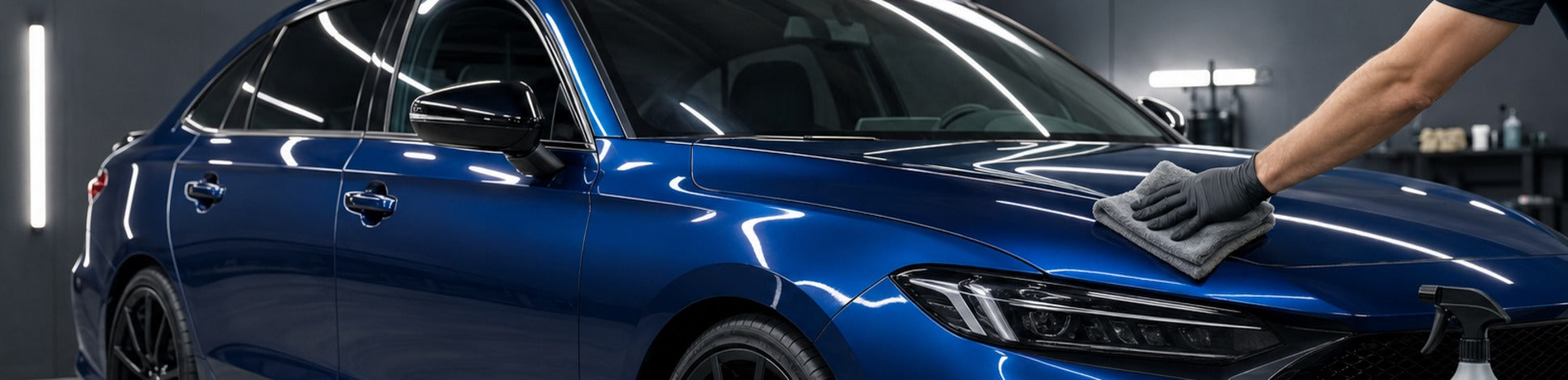
Gloss vinyl wrap is generally the easiest finish to maintain. Its smooth surface releases dirt more readily, tolerates a wider range of wrap-safe care products, and does not develop uneven shiny spots the way matte film can. Satin is a close second and may be the better choice for drivers who want a softer appearance without committing to the additional care required by matte vinyl.

However, vinyl wrap finish maintenance depends on more than the finish name. Film manufacturer, product series, vehicle color, driving conditions, storage, cleaning frequency, and exposure to road salt, insects, fuel, tree sap, or bird droppings all affect how difficult a wrap is to keep clean. Professional wrap shops should review the care instructions for the exact film installed instead of giving every customer the same maintenance advice.
Table of Contents
Why Gloss Is the Easiest Wrap Finish to Maintain
Vinyl Wrap Finish Maintenance Comparison
Factors That Change Maintenance Needs
How to Maintain Each Wrap Finish
Why Gloss Is the Easiest Wrap Finish to Maintain
A standard gloss vinyl wrap has a smooth, reflective surface that is relatively straightforward to wash and dry. Dust, pollen, road film, and light contamination usually release more easily from gloss vinyl than from matte or textured surfaces. Gloss film can also be treated with compatible wrap cleaners and certain finish-specific sealants, provided the product is approved by the film or care-product manufacturer.
Gloss is not maintenance-free. Dark gloss colors, especially black, may reveal dust, water spots, fingerprints, and fine wash marks more readily than lighter colors. Those marks can make a gloss-wrapped vehicle look dirty even when the contamination is only on the surface. The finish is still easier to clean, but it may need more frequent attention to maintain a polished appearance.
Satin vinyl is the next most practical option. It has a smoother surface than most matte films and does not display every reflection or fine mark as clearly as high gloss. Metro Restyling’s guide to satin versus gloss vinyl wrap provides a closer comparison of their appearance, cleaning requirements, and other differences.


Vinyl Wrap Finish Maintenance Comparison
| Vinyl Wrap Finish | Maintenance Level | Main Advantage | Important Consideration |
| Gloss | Easiest | Smooth surface is generally easier to wash and dry | Dark gloss colors can reveal dust, water spots, and fine scratches |
| Satin | Easy to moderate | Balances a smooth surface with a less reflective appearance | Wax or polishing products can alter the uniform satin sheen |
| Matte | Moderate to demanding | Flat appearance can disguise certain light surface marks | Oils, fingerprints, stains, and incorrect products can create shiny spots |
| Textured | Demanding | Distinctive carbon fiber, brushed, or embossed appearance | Dirt can settle into the texture and require more careful cleaning |
| Chrome or mirror | Most demanding | Highly reflective specialty appearance | Fine scratches, fingerprints, distortion, and surface damage can be highly visible |
This ranking is a general comparison rather than a performance guarantee. A particular satin film may be easier to care for than a sensitive high-gloss specialty film. Always compare the technical and maintenance documentation for the specific product series being installed.
Gloss Vinyl Wrap
Gloss is usually the best vinyl wrap finish for a daily driver, commercial fleet vehicle, or customer who prioritizes simple cleaning. Its surface behaves more like glossy automotive paint than a flat or embossed finish, although vinyl still requires wrap-safe products and gentle washing methods.

Satin Vinyl Wrap
Satin is a practical compromise for customers who do not want a fully reflective finish. It can hide some fine visual imperfections better than gloss while remaining easier to clean than most matte films. Care products should not contain waxes or gloss-enhancing ingredients unless they are specifically approved for that satin film.

Matte Vinyl Wrap
Matte film requires more deliberate care because contamination can become visible against its flat surface. Skin oils and fingerprints may also stand out. Avery Dennison notes that matte and satin films can show fingerprints, while HEXIS states that matte films may be more susceptible to dirt and can require more frequent or longer cleaning than glossy PVC films.

Waxing, polishing, or aggressive rubbing can create glossy patches that permanently interrupt the uniform matte appearance. Metro Restyling’s guide on caring for a matte vinyl wrap covers finish-specific cleaning in more detail.
Textured and Chrome Vinyl Wraps
Carbon fiber, brushed metal, and other textured films can trap contamination within their surface patterns. Chrome and mirror films are also less forgiving because scratches, fingerprints, and distortion are easy to see under direct light. These specialty options are better suited to customers who accept additional care in exchange for a more distinctive finish.

Factors That Change Maintenance Needs
Color and Visual Contrast
Finish and color affect maintenance in different ways. Gloss may be the easiest surface to wash, but gloss black can show dust and water spots more readily than gloss silver or white. Light matte colors can make road grime visible, while very dark matte colors may display fingerprints and uneven cleaning marks.
Driving Environment
A garage-kept weekend vehicle normally requires less cleaning than a daily-driven vehicle exposed to construction dust, winter salt, insects, industrial fallout, or tree sap. Wrap shops should consider how the customer uses and stores the vehicle before recommending a finish.
Frequent exposure to contaminants makes smooth gloss or satin film a more practical choice. Matte, textured, and chrome finishes can still be used, but the owner should be prepared to remove contamination promptly.
Film Brand and Product Series
Maintenance requirements can vary among manufacturers and even between series from the same manufacturer. Metro Restyling carries professional automotive films from 3M, Avery Dennison, HEXIS, KPMF, ORAFOL, and CheetahWrap.

Do not assume that one cleaning chemical is suitable for every film sold by these brands. Check the current product bulletin, technical data sheet, and care instructions for the exact vinyl wrap finish before applying a cleaner, sealant, wax, or coating.
Storage and Sun Exposure
Outdoor storage exposes horizontal panels such as the hood, roof, and trunk to more sunlight, moisture, and airborne contamination. Parking in a garage or shaded location when practical can reduce exposure, but it does not eliminate the need for regular cleaning.
Finish selection is only one factor in overall service life. Installation quality, climate, film construction, panel orientation, and care all matter. The Metro Restyling guide explaining how long a car wrap lasts covers these variables in greater detail.
How to Maintain Each Wrap Finish
- Confirm the film and finish. Record the manufacturer, product series, color code, and finish after installation. This prevents the owner or detailer from relying on generic care instructions later.
- Follow the post-installation waiting period. Do not wash a newly wrapped vehicle until the film manufacturer’s specified waiting period has passed. For example, 3M instructs owners not to wash a vehicle wrapped with 3M Wrap Film Series 2080 for at least 72 hours after installation.
- Rinse away loose contamination. Removing loose dirt before making contact with the surface reduces the chance of dragging abrasive particles across the film.
- Hand wash with a mild wrap-safe cleaner. Use clean water, a soft wash mitt or microfiber cloth, and a cleaner approved for the installed film. Wash from the top down in manageable sections.
- Rinse thoroughly. Soap residue can leave streaks or change the way light reflects from satin and matte surfaces.
- Dry with clean microfiber towels. Do not let hard water dry across the wrap if water spotting is a concern. Use light pressure rather than aggressive rubbing.
- Treat contamination promptly. Bird droppings, insects, fuel, tree sap, and road chemicals become more difficult to remove after remaining on the surface.
- Test stronger products first. Apply any unfamiliar cleaner to a small, inconspicuous area and follow the manufacturer’s directions.
Metro Restyling offers vinyl wrap care and preparation products, including cleaners and sealants designed for wrapped surfaces. Match the product to the finish rather than choosing a cleaner solely because it is marketed for automotive paint.
Special Instructions for Matte and Satin Film
Avoid waxes, polishes, cutting compounds, and gloss-enhancing products unless the film manufacturer specifically approves them. Avery Dennison warns that waterless washes containing wax can fill a matte surface texture and cause shiny spots. If fingerprints appear, follow the film manufacturer’s recommended method instead of repeatedly scrubbing the area.

Special Instructions for Gloss Film
Use gentle contact methods to reduce visible wash marks. Gloss film may accept a wider variety of compatible care products, but conventional paint polish should not automatically be considered safe for vinyl. Check compatibility before attempting to correct scratches or restore shine.
Common Vinyl Wrap Care Mistakes
- Using an automatic brush wash that can scratch the surface or catch exposed edges
- Scrubbing matte film until one area becomes shinier than the surrounding vinyl
- Using wax or gloss enhancers on satin or matte finishes
- Allowing bird droppings, insects, fuel, or tree sap to remain on the film
- Holding a pressure washer too close to seams, edges, or damaged areas
- Using abrasive brushes, scouring pads, compounds, or dirty towels
- Assuming a product that is safe for paint is automatically safe for vinyl
- Applying a ceramic coating without confirming compatibility with the exact finish
3M recommends hand washing whenever possible and choosing a touchless wash if a car wash is necessary, because brush washes may dull or scratch the film and lift graphic edges. This is useful general guidance, but the instructions supplied with the installed film should take priority.
Choosing the Right Finish
Choose gloss vinyl wrap if low-maintenance cleaning is the main priority. It is well suited to daily drivers, fleets, rental vehicles, and customers who want a paint-like surface with straightforward aftercare.


Choose satin vinyl wrap if you want a softer reflection with manageable upkeep. Satin is often the best balance between appearance and maintenance, especially for an owner who likes the understated look of matte but does not want its full care requirements.


Choose matte vinyl wrap if the flat appearance is more important than maintenance convenience. The owner must be willing to use finish-safe cleaners, avoid wax and polish, and address fingerprints or stains carefully.


Choose textured or chrome vinyl for specialty projects where visual impact outweighs easy care. These finishes can work well for accents, trim, roofs, hoods, or show vehicles, but they are less practical for owners who want the simplest possible wash routine.


For a wrap shop, the most important step is setting expectations before the material is ordered. Explain that “easy to maintain” does not mean scratch-proof, stain-proof, or safe for every automatic wash. Give the customer the manufacturer’s current care instructions and record the exact film used on the vehicle.

Frequently Asked Questions
Q: What vinyl wrap finish is easiest to maintain?
A: Standard gloss vinyl is generally the easiest finish to maintain because its smooth surface releases dirt readily and works with many wrap-safe care products. Dark gloss colors can still show dust, water spots, and wash marks.
Q: Is satin or gloss vinyl easier to keep clean?
A: Gloss is usually easier to clean, but satin is a close second. Satin may hide some fine visual marks better, while gloss provides a smoother surface. Satin requires care to avoid products that create uneven shine.
Q: Why is matte vinyl harder to maintain?
A: Matte film may show fingerprints and hold contamination more visibly than gloss. Wax, polish, abrasive rubbing, and incompatible cleaners can also create permanent shiny spots that interrupt the flat finish.
Q: Can a wrapped vehicle go through an automatic car wash?
A: Hand washing is generally preferred. If a car wash is necessary, a touchless system is safer than a brush wash, but owners should first check the maintenance instructions for their specific film and inspect the wrap for lifted or damaged edges.
Q: Does a ceramic coating make every wrap finish easier to maintain?
A: A compatible coating may make routine cleaning easier, but not every coating is suitable for every vinyl film. Some products can change the appearance of matte or satin finishes. Confirm compatibility with both the film and coating manufacturers before application.
Conclusion
Gloss is the easiest vinyl wrap finish to maintain for most vehicles, followed closely by satin. Matte requires more finish-specific care, while textured and chrome films are generally the most demanding. Color, climate, storage, vehicle use, and the exact product series can still change the final recommendation.
Car wrap shops should match the finish to the customer’s expectations and provide product-specific care instructions after installation. DIY installers should make the same decision before ordering film: if simple cleaning is the priority, start with a smooth gloss or satin option from Metro Restyling and follow the manufacturer’s maintenance guidance from the first wash onward.